

VIENNA — Russia has captured a large number of Ukrainian drones and may be planning to use them against NATO or to stage a false flag attack, Polish defense minister Władysław Kosiniak-Kamysz said, adding to earlier warnings of a potential escalation.
The senior official’s statement comes after more than a month of unusual public warnings by several Eastern European countries that Russia was planning some form of a provocation or hybrid attack, with government officials citing numerous pieces of intelligence that pointed them to this conclusion.
Poland, Lithuania and Latvia have been among the countries raising the alarm, some citing U.S. intelligence that had been shared with them.
The latest information, first shared by Poland’s defense minister on Monday, outlines a concrete threat vector for what was previously a more general warning of Russian malicious intent.
The threat appears to be taken seriously by the Eastern European capitals, and the Polish government prioritized the topic for discussion in Tuesday’s security committee meeting. Following the meeting, Kosiniak-Kamysz reiterated the specific warning.
In addition to drone incursions, he also said GPS jamming and various acts of sabotage may be on the table.
The countries surrounding the Baltic Sea have been affected by Russian GPS interference since the early days of the war, sometimes leading to airport closures and navigation problems. Sabotage, too, has featured, including the disabling of a rail line in eastern Poland last year.
Government officials also noted cyber warfare as a possible avenue for Russian actions against NATO countries.
In late June, Latvian intelligence first told Fox News they had detected Russian preparations for a hybrid attack that would fall short of the threshold for open war. The attack might include “missiles, drones or other actions designed to send a signal: stop supporting Ukraine, or you will have your own problems,” Fox News Digital quoted Latvian intelligence as saying.
A week later, Polish Prime Minister Donald Tusk said he had been receiving warnings about a Russian test of NATO resolve and possible attack on Polish soil from allied intelligence agencies for weeks, adding in a press conference that “the coming months may truly be critical.” Polish publication Onet had previously reported from a source close to Polish president Karol Nawrocki that the U.S. had shared concrete warnings of hostile Russian actions with the government in Warsaw.
Last week, Latvian and Lithuanian leaders warned specifically of “limited kinetic operations” targeting critical infrastructure.
The Kremlin’s press spokesperson Dmitry Peskov dismissed this as “scare stories” that same week.
Some officials have warned that Russia may also be inclined to stage a false flag attack on its own territory to give it a pretense to escalate the war in Ukraine or expand it to include strikes on NATO countries. Polish Foreign Minister Radoslaw Sikorski warned of such a scenario in late June, saying at the time that “I expect a false flag attack on Russian territory, to which Putin ‘will respond.’”
“The Russians are planning something again; we have credible information,” Sikorski told the press several weeks later, on July 9.
Similar public messaging − including the selective sharing of high-level intelligence by Western capitals − preceded the 2022 Russian invasion of Ukraine. At the time, the Biden administration took the unprecedented step of declassifying and sharing with the public a large number of previously secret intelligence signals that pointed toward Russia preparing for a wholesale invasion of its western neighbor. Some officials and analysts have suggested the open sharing of information delayed the start of the invasion by several weeks.
Sikorski, the Polish foreign minister, said on July 9 that he hoped the current sharing of public warnings would similarly deter Russia from following through on its plans.
However, no primary intelligence beyond the verbal statements made by high-level figures has been publicly shared so far by the Western countries now raising the alarm.
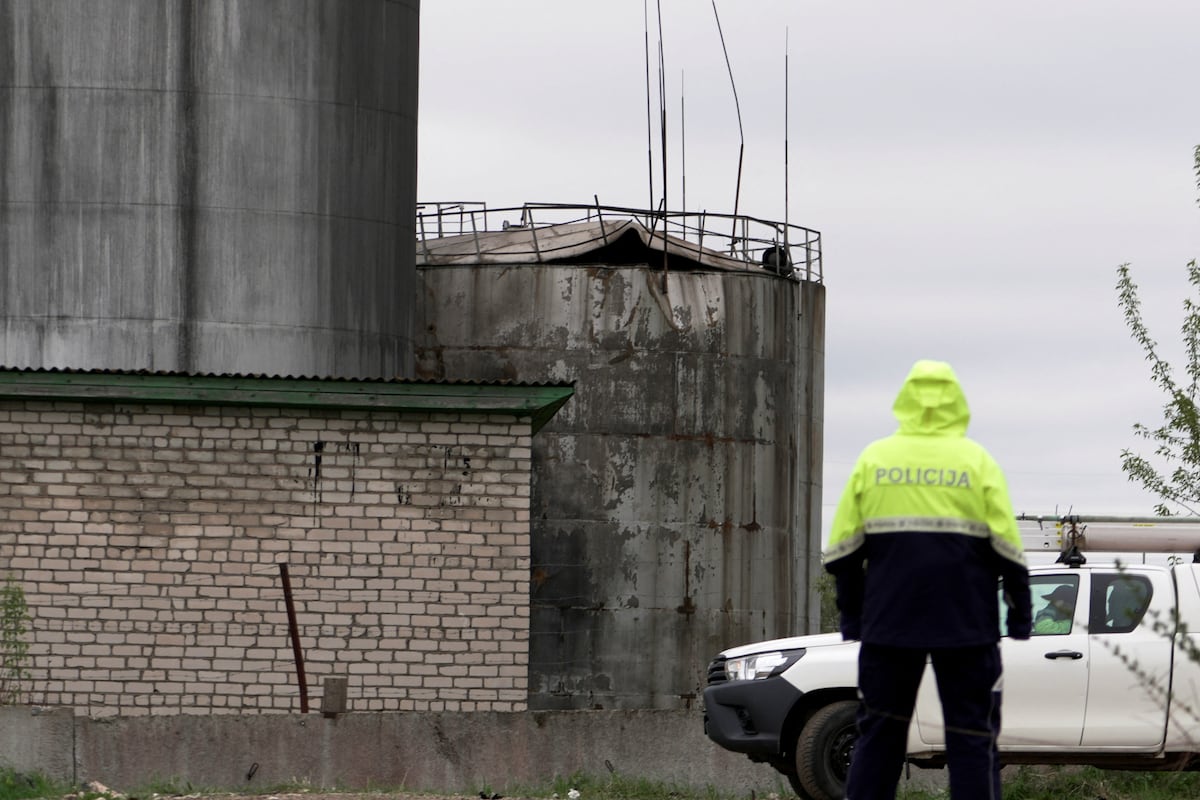
Russia has previously found ways to redirect Ukrainian drones that were launched by Kyiv to fall on NATO territory rather than reaching their intended targets of Russian military facilities, industry and oil storage facilities. The Baltic States and Finland have had several instances of misguided Ukrainian-launched drones striking their territories, including an oil storage facility in Latvia − an incident that led to two high-level resignations there, including of the prime minister.
Those cases have been publicly attributed to Russian electronic warfare and defensive signal jamming redirecting drones already in flight. Russia launching captured drones at the West would be a marked escalation from that precedent.
Linus Höller is Defense News’ Europe correspondent and OSINT investigator. He reports on the arms deals, sanctions, and geopolitics shaping Europe and the world. He holds master’s degrees in WMD nonproliferation, terrorism studies, and international relations, and works in four languages: English, German, Russian, and Spanish.
Read the full article here
