

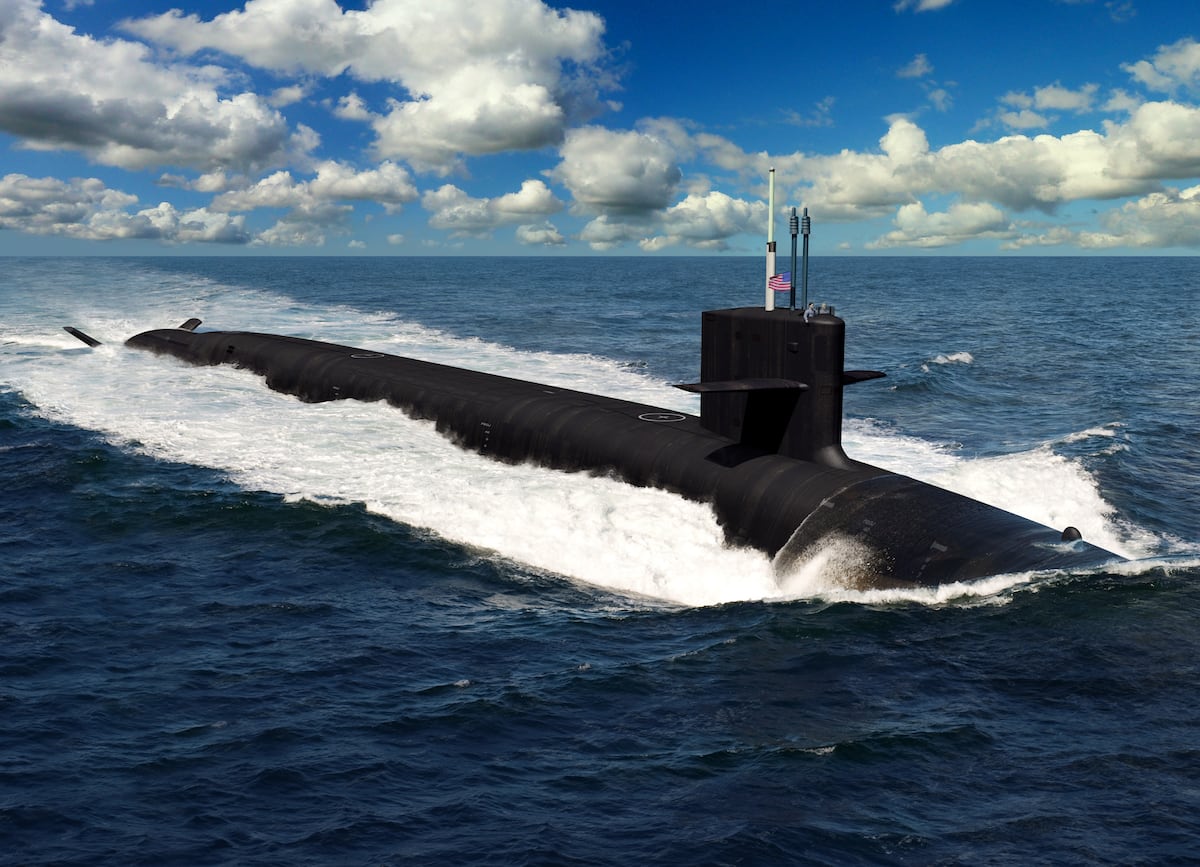
Leonardo DRS announced the opening of a new naval power and propulsion facility in Charleston, South Carolina, to support the U.S. Navy’s drive for shipbuilding and its nuclear-powered Columbia-class submarine program — which is currently facing an estimated 17-month delay.
The new facility will provide the Navy with the ability to manufacture, test and assemble components used in electric power and propulsion for submarines and other vessels. It will also support the design and testing of naval steam turbine systems.
The facility will also produce systems for the Columbia-class submarine program, which has been designated as the Navy’s top priority program, per a December 2025 Congressional Research Service report.
It was estimated last June that the Columbia-class vessel would be delivered two years late and is now facing a delay of 17 months, which could potentially impact the development of Virginia-class submarines due to a spillover of heightened manufacturing demands, according to the report.
The report notes that “the emergence of an estimated 17-month delivery delay in spite of these efforts is a reflection of the depth of the challenges the Navy and industry currently face in executing Navy shipbuilding programs,” and adds that the Navy’s aging Ohio-class submarines will likely not be replaced on schedule.
Although it demonstrated devastating stealth and firepower during Operation Midnight Hammer in Iran, the Ohio is due for replacement, with the first vessel of its class reaching the end of its lifecycle by next year.
The opening of the new facility comes at a time when spurring the delivery of the first vessel of the Columbia class is urgently needed.
“The Department of War has been clear about the need to strengthen and expand the defense industrial base, and this investment answers that call,” John Baylouny, president and CEO of Leonardo DRS, said in a release.
“By increasing capacity and modernizing our manufacturing infrastructure, we are ensuring the U.S. military has reliable access to the critical capabilities it needs, when and where they are needed.”
Zita Ballinger Fletcher previously served as editor of Military History Quarterly and Vietnam magazines and as the historian of the U.S. Drug Enforcement Administration. She holds an M.A. with distinction in military history.
Read the full article here
