

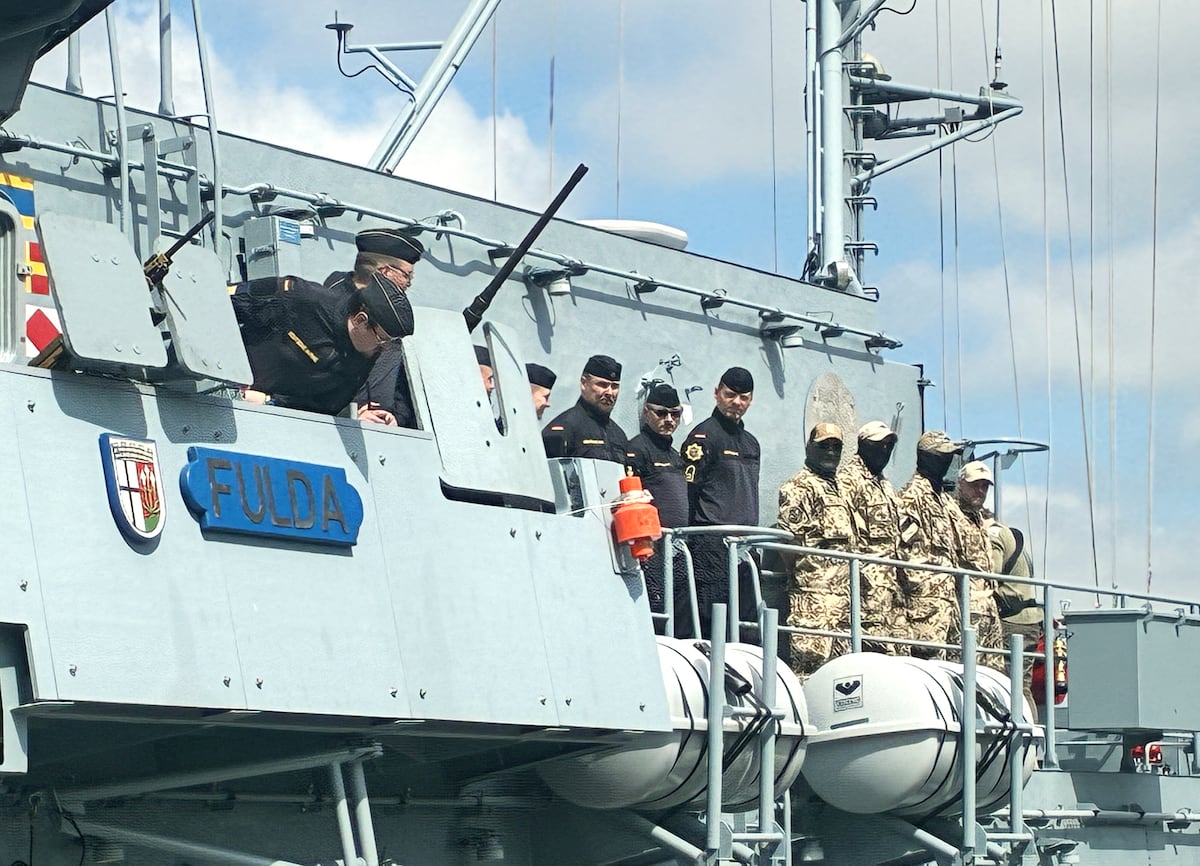
Every few years, NATO rediscovers an old argument. The location and actors change, yet the debate remains remarkably familiar: Should the Alliance concern itself only with defending allied territory, or can it legitimately act when developments beyond its borders threaten its security?
Today, that question resurfaces regarding Iran and the Strait of Hormuz. The prospect of NATO safeguarding freedom of navigation prompts predictable objections: Hormuz is not NATO territory, and Iran is not attacking an ally. Therefore, the argument goes, NATO should stay out. At first glance, this position appears prudent. In reality, it reflects a surprisingly short institutional memory.
For much of the last three decades, NATO has operated on the assumption that allied security cannot be defined solely by geography. For a generation, the alliance spent more time conducting operations beyond its borders than preparing for territorial defense within them. From Bosnia and Kosovo to Afghanistan, and from Operation Active Endeavour to Operation Ocean Shield off the Horn of Africa, NATO repeatedly demonstrated its willingness to protect allied interests beyond the Washington Treaty area. These were not exceptional departures from NATO’s mission; they became an integral part of it.
The alliance formally codified this evolution. The 1999 Strategic Concept introduced crisis-response operations beyond Allied territory. The 2010 Strategic Concept went further, establishing collective defense, crisis management, and cooperative security as NATO’s three core tasks. Significantly, that same document identified the proliferation of ballistic missiles as a direct threat, explicitly highlighting Iran’s missile activities and nuclear ambitions. This was not an American talking point — it was agreed NATO policy, adopted unanimously.
RELATED
The suggestion that developments in the Gulf fall entirely outside NATO’s sphere of concern requires a degree of historical selectivity—or, perhaps more accurately, strategic amnesia.
The geopolitical logic behind those earlier assessments has only strengthened. The world has become more interconnected. Economic security, critical infrastructure, supply chains, energy resilience, and maritime access have moved from the periphery of security debates to their very center. Yet when one of the world’s most important maritime chokepoints enters the discussion, many suddenly revert to a narrow geographical definition of security.
The Strait of Hormuz may be geographically distant from Europe, but strategically and economically, it is anything but. A significant share of global energy trade passes through it. Disruption affects energy prices, industrial output, defense production, and ultimately military readiness across the Euro-Atlantic area.
None of this means NATO should return to the expeditionary ambitions of the early post-9/11 era. Collective defense must remain the alliance’s primary task, and Russia remains the most immediate military threat to allied territory. The defense of Europe is NATO’s center of gravity. But there is a significant difference between maintaining priorities and embracing what psychologists might call a strategic tunnel vision.
RELATED
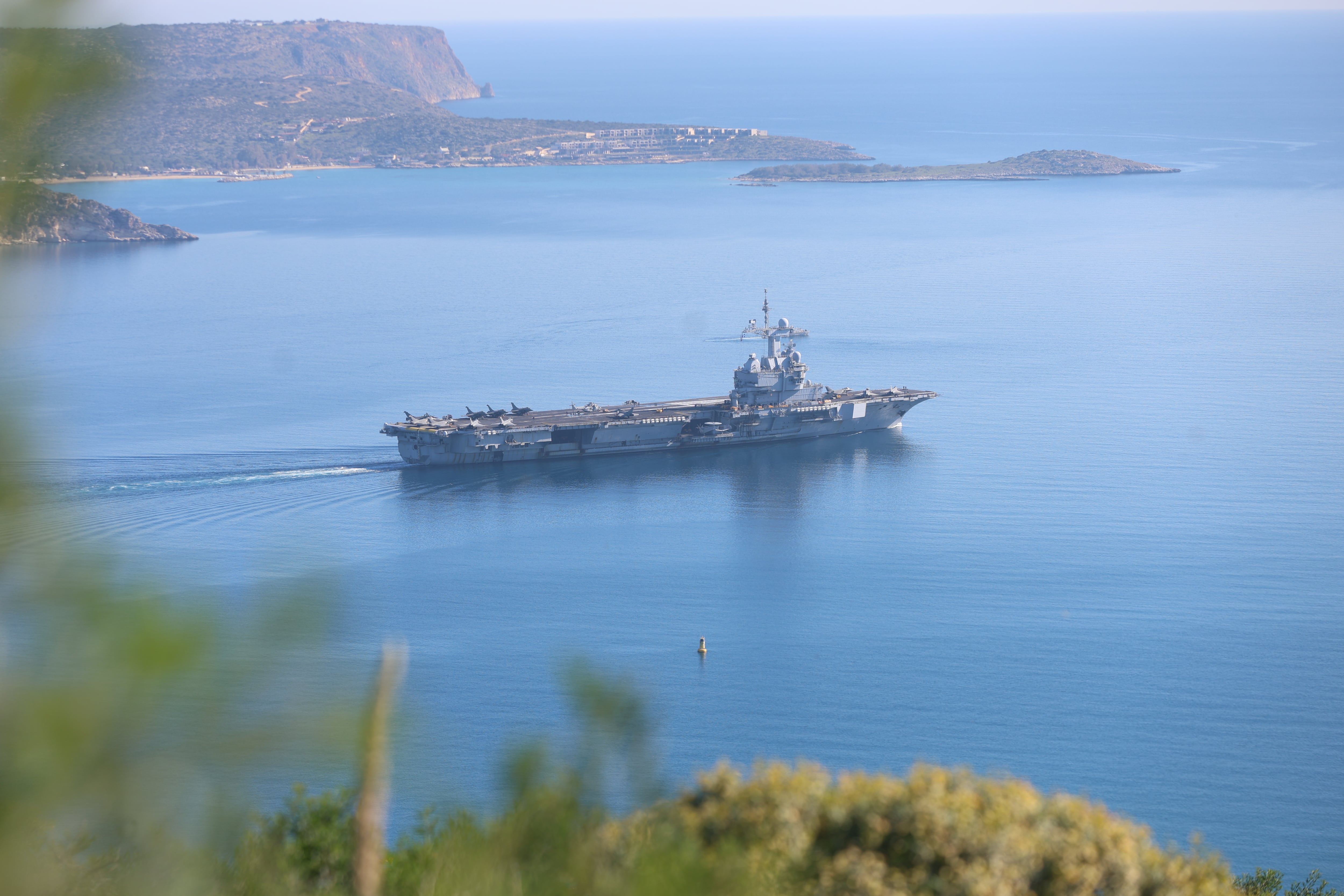
The increasingly popular “not our war” argument promises discipline but often produces paralysis. Applied consistently, it becomes difficult to distinguish between strategic restraint and outright disengagement. If the alliance divides the world into exclusive regional compartments, it gradually loses its ability to address security challenges whose consequences do not respect borders.
NATO has confronted this dilemma before. The famous phrase “out of area or out of business” emerged precisely because the alliance recognized that relevance required more than territorial defense alone. Security challenges rarely ask permission before crossing regional boundaries.
What makes today’s debate particularly peculiar is that allied practice has already moved ahead of rhetoric. European navies — even under EU command — operate routinely close to, in, and around the Gulf. NATO maintains partnerships across the region, and individual allies regularly contribute to maritime security efforts beyond Europe. The practical question was largely settled years ago; what remains unsettled is the narrative.
A future mission supporting freedom of navigation in Hormuz — whether NATO-led, NATO-enabled, or conducted by a coalition of allies with NATO political backing—would represent continuity rather than a revolutionary expansion of the alliance’s role. It would reflect patterns of behavior and political commitments that NATO has developed over decades.
The real issue is not whether NATO can operate beyond its borders—it has done so repeatedly. The real issue is whether the alliance is prepared to acknowledge openly what its own history demonstrates: that defending Allied security sometimes requires action beyond Allied territory. Otherwise, NATO risks repeating a familiar mistake — not mission creep, but strategic amnesia. And history suggests that forgetting past lessons is often more dangerous than applying them.
Vytautas Leškevičius, previously Lithuania’s ambassador to NATO, is chief policy advisor at GSSC, a Vilnius-based think tank.
Read the full article here
