

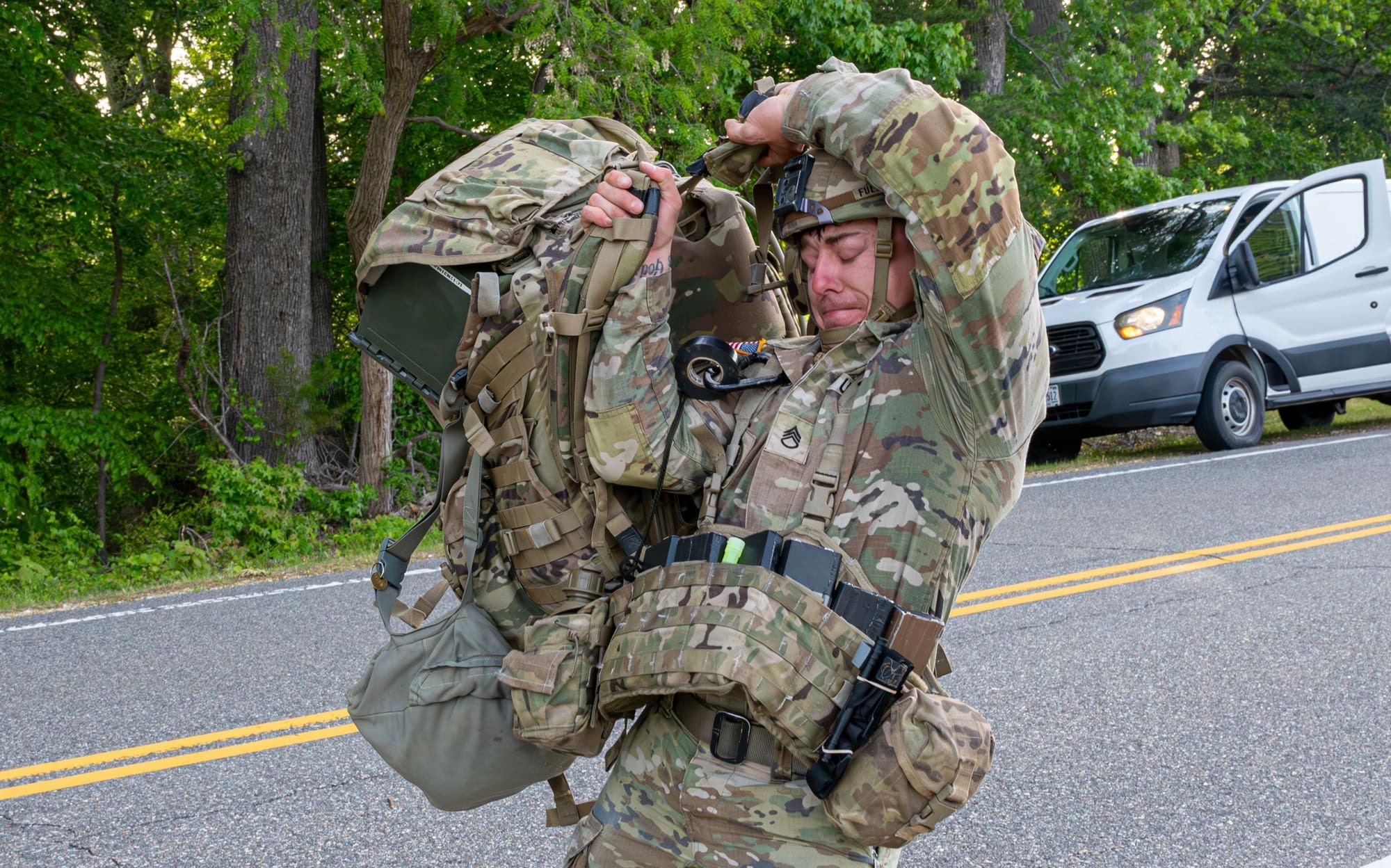
Load carriages are too heavy, but starting over completely is not realistic for Big Army.
That is the hard part of modernization. The Army does not just need lighter gear. It needs lighter gear that works inside the system already fielded.
Plate carriers, pouches, belts, rucks, vehicles, sustainment plans, training requirements, and unit SOPs are all connected. Change one piece too aggressively, and you can create new problems faster than you solve old ones.
Military leaders understand that reducing Soldier load is critical to improving mobility, increasing endurance, maintaining survivability, and preserving combat effectiveness. The Army has spent decades studying the impact of Soldier load and pursuing modernization efforts designed to improve human performance without reducing combat capability.
The problem is that weight reduction is rarely as simple as replacing equipment.
Every piece of gear lives inside a larger system. A pouch is not just a pouch. It connects to an attachment method, which connects to a carrier, belt, chest rig, or ruck. That equipment connects to how a unit trains, packs, moves, sustains itself, and fights. When a new solution forces units to replace too much at once, it can create cost, logistics, training, and fielding friction that slows adoption.
That is why compatibility matters.
In load carriage, compatibility is not just a convenience feature. It is part of the performance requirements. A solution that reduces weight but requires wholesale replacement may look good on paper, but it can create a new burden for the units expected to field it. A solution that reduces weight while working with existing MOLLE and PALS infrastructure can move faster because it respects how units operate.
That is the balance modernization has to strike.
Photo courtesy of U.S. Air Force photo by Senior Airman Olivia Bithell
Soldiers need less weight. Units need less disruption. Leaders need solutions that improve performance without creating another layer of complexity across the formation.
For years, new requirements often meant adding more material, more components, and more bulk. Individually, those decisions made sense. Collectively, they added pounds to the Soldier’s load. More pouches. More webbing. More hardware. More attachment points. More things to manage, inspect, maintain, and carry.
The opportunity now is to reverse that trend.
Not by reducing capability, but by removing unnecessary weight from the systems Soldiers already depend on.
That is where Blue Force Gear has focused from the beginning. The goal was never to create change for the sake of change. The goal was to reduce burden while preserving the platforms, habits, and interoperability units already trusted.
Helium Whisper was built around that exact problem. Traditional MOLLE pouch back panels relied on numerous individual pieces, layers, snaps, stiffeners, and sewn components. Blue Force Gear reduced that complexity by creating a lighter, simpler, laser-cut attachment system built from advanced ULTRACOMP material. The result is a pouch attachment system that reduces weight by up to 50% while remaining fully compatible with existing MOLLE and PALS platforms.
That distinction matters.
Helium Whisper does not require units to abandon their current armor carriers, belts, chest rigs, rucks, or issued platforms. It does not ask them to rebuild their load carriage system from the ground up. It gives them a way to remove weight from the equipment they already carry.
That is how meaningful modernization becomes realistic.
A lighter pouch matters. A lighter pouch that fits the equipment already fielded matters more. A lighter pouch that reduces weight, eliminates unnecessary components, sheds water, maintains strength, and works within the existing MOLLE ecosystem gives units a practical path forward.
The future of load carriage should not create another transition burden.
It should make the current system better.
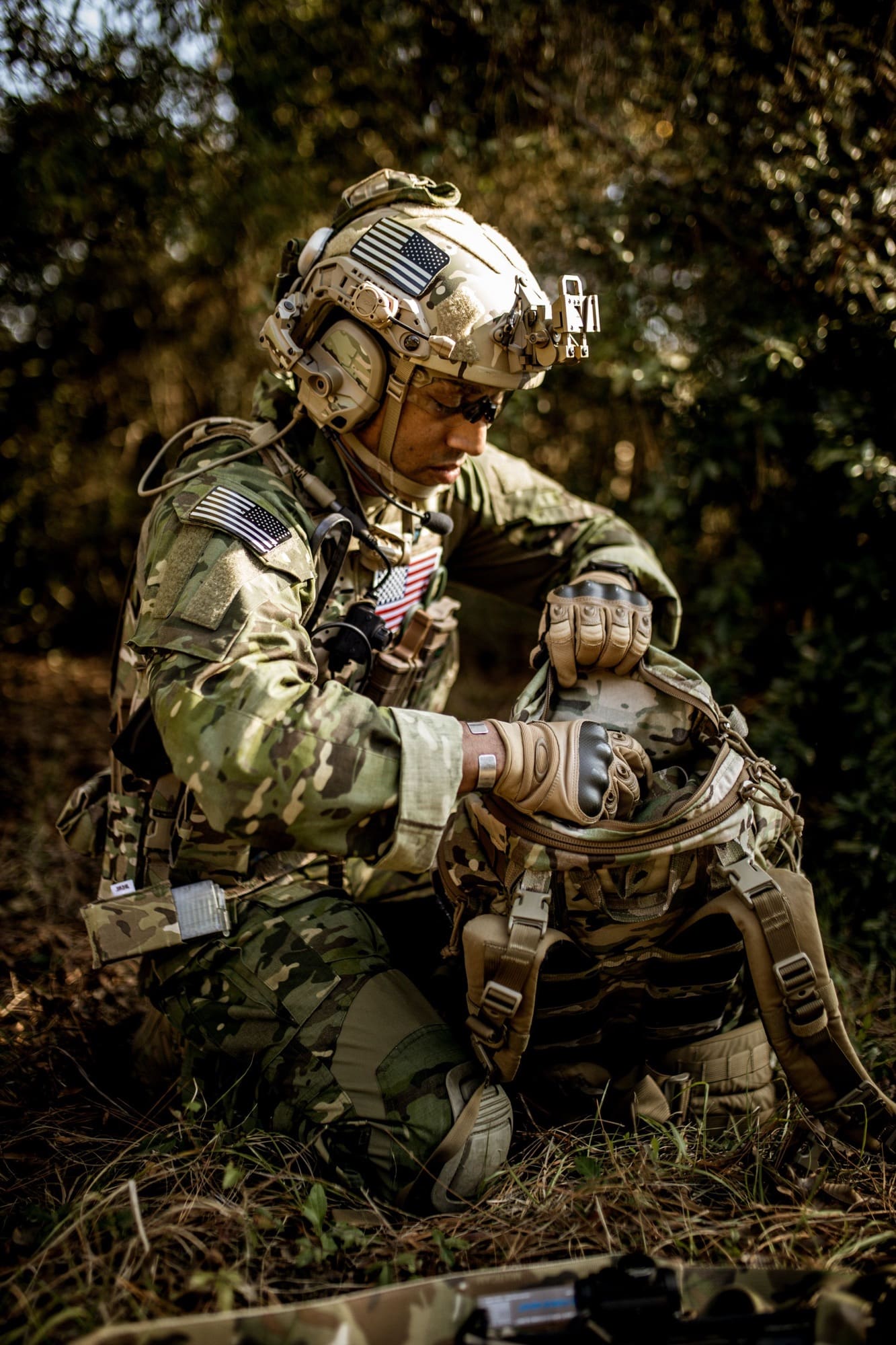
This is where the conversation has to move. The question is not whether load carriage should evolve. It should. The question is how to evolve it in a way that improves Soldier performance without sacrificing the training, equipment, and interoperability already in place.
The answer is not to replace everything.
It is to improve what Soldiers already carry.
One ounce at a time.
Explore lightweight load carriage solutions from Blue Force Gear.
For units seeking to increase survivability and operational performance through reduced load carriage by upgrading to Helium Whisper, contact the Blue Force Gear Military Department or visit BlueForceGear.com.
You can skip to the end and leave a response. Pinging is currently not allowed.
Read the full article here
